“Some days I wear rubber gloves / Preparing food for a church potluck / And looking down at my hands in gloves / I think why do men murder” – Kiik Araki-Kawaguchi, ‘i don’t think normal things’
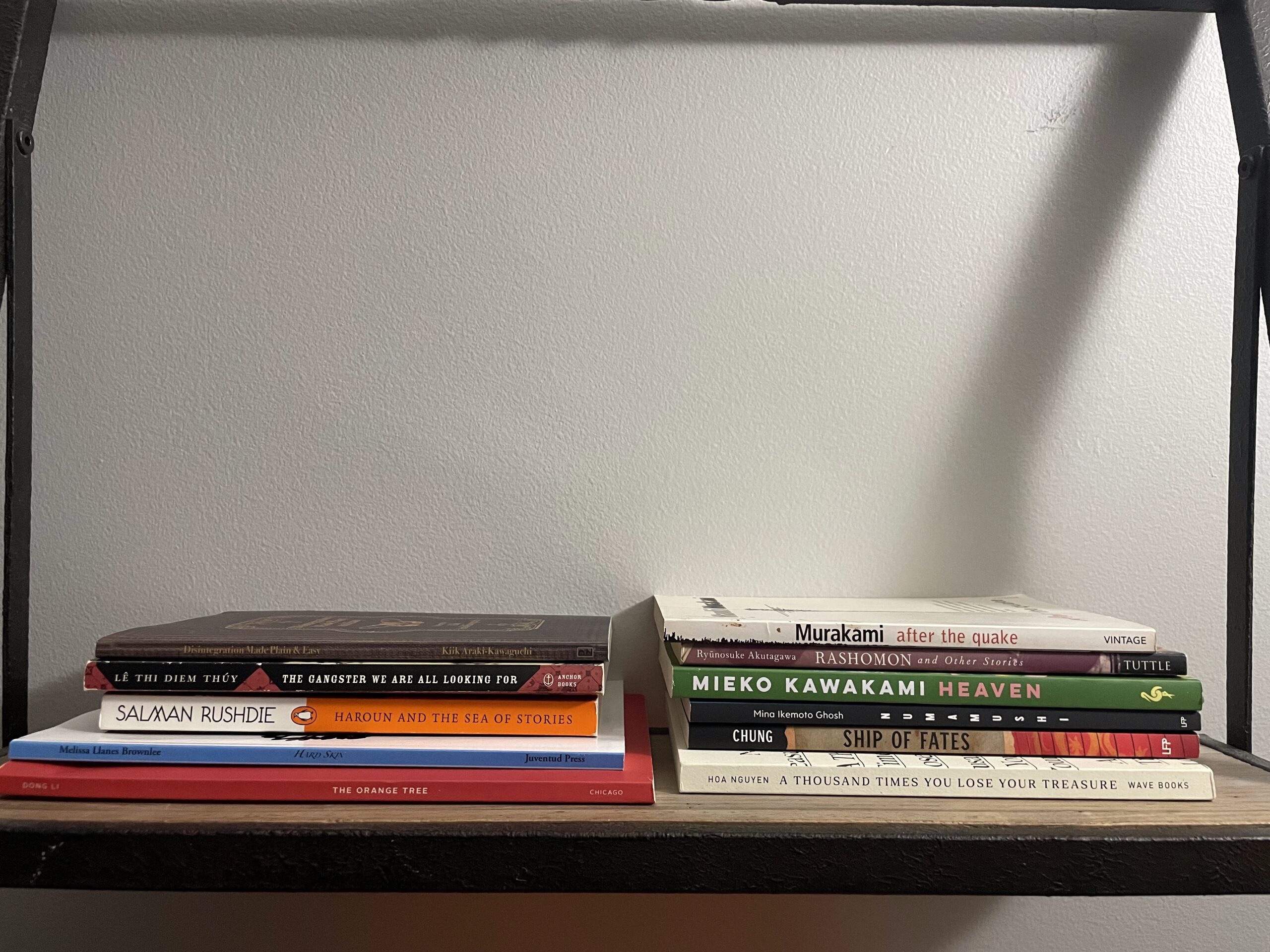
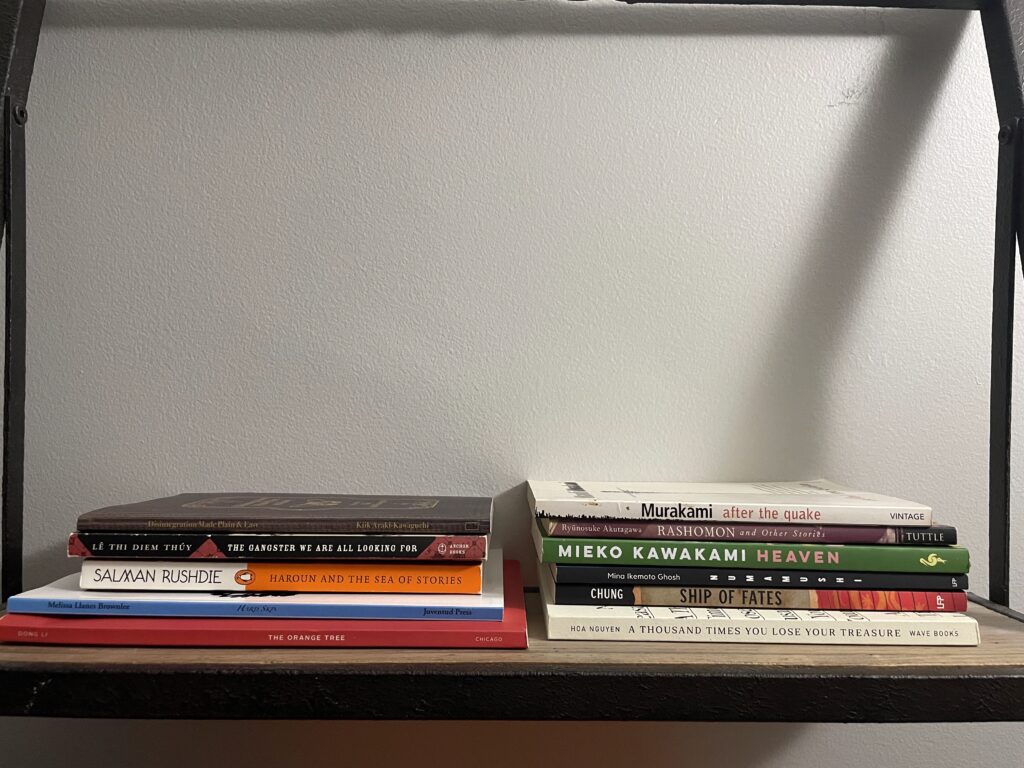
It’s not uncommon for me to have 30+ tabs open on my phone browser. For one thing, I hate reading on my phone. For another, I’m often holding links to post on Friday Links. I also use open tabs on my phone as a soft to-do list, and the page “100+ Japanese Books Under 200 Pages” from Read Japanese Literature spent a lot of time open on my phone for this reason. I haven’t gotten too deep into that list, but I was reading Mieko Kawakami around the same time, and it struck me how many short novels/collections I have really enjoyed from AAPI authors. Idk if AAPI authors necessarily do short form any better than anyone else, but I do feel like short form books get more of a proper due on the other side of the world. Here’s what I pulled just from my shelves:
Ship Of Fates by Caitlin Chung
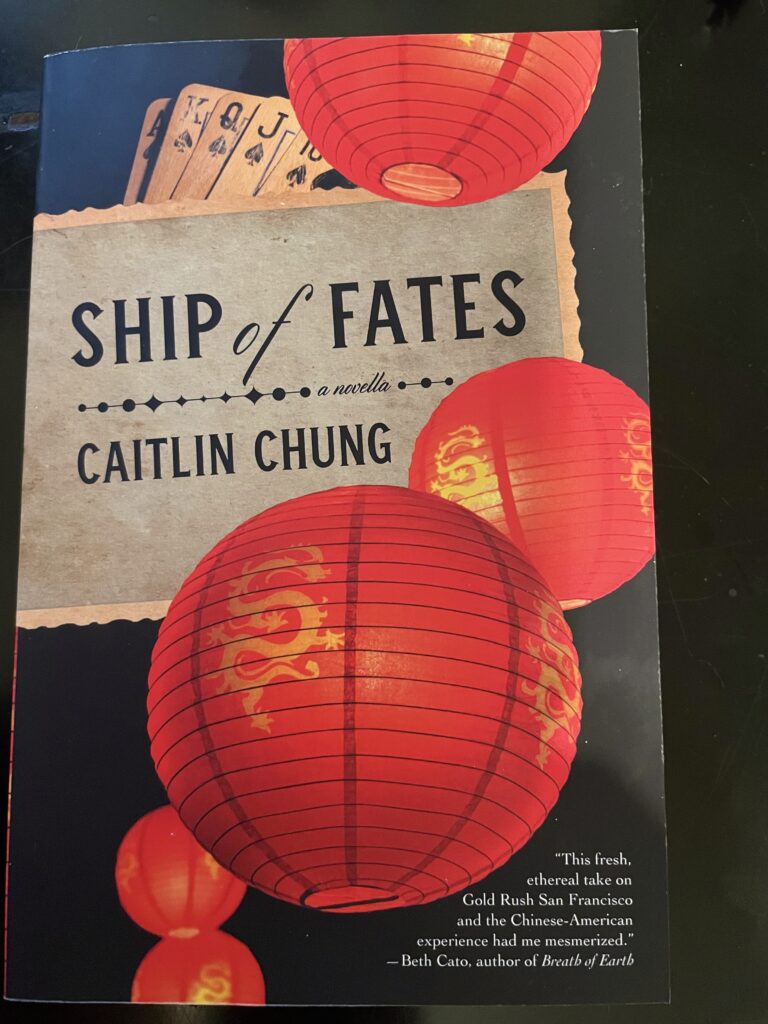
Lanternfish Press has yet to let me down. This novella is set in 19th-century San Francisco, with a boat converted to a bar/casino as its main setpiece. It says a lot about immigration, how capitalism treats women, and the lengths people have to go to survive. But it’s also pulpy and seedy and a blast to read.
Numamushi by Mina Ikemoto Ghosh
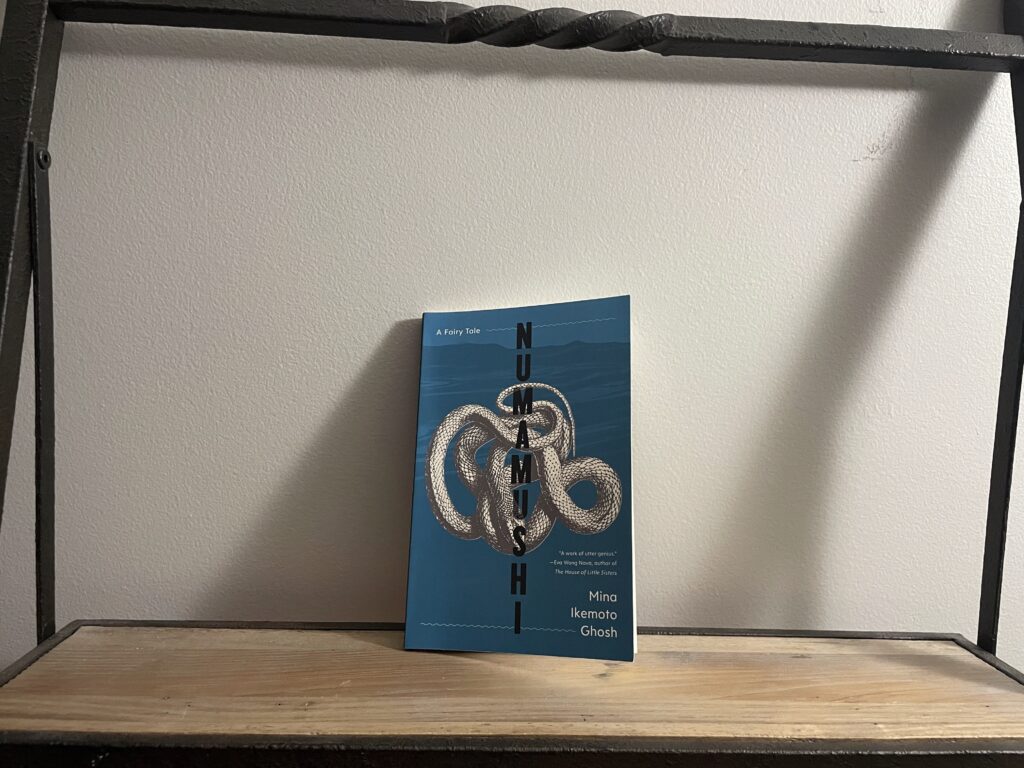
Subtitled “A Fairy Tale,” this book is a quiet exploration what it means to be human, via two brothers raised by a river snake. I’ll be writing more about this novella on Friday, but it was a 2026 AWP pickup from Lanternfish Press and I really really love it.
After The Quake by Haruki Murakami
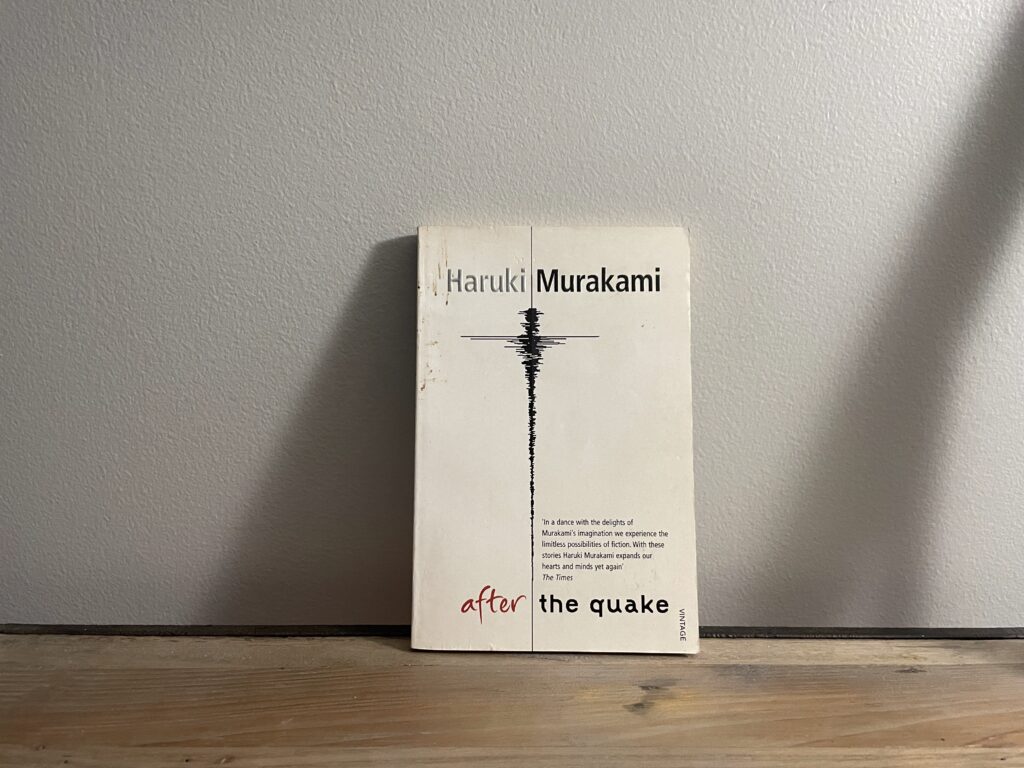
A series of highly imaginative stories about characters dealing with the effects of the 1995 Kobe earthquake. This was my first introduction to Murakami, about 20 years ago. I need to get back into Murakami. If you’re intimidated by the doorstop nature of Kafka On The Shore or 1Q84, check out this one. Literally. Go to your library and check it out.
Heaven by Mieko Kawakami
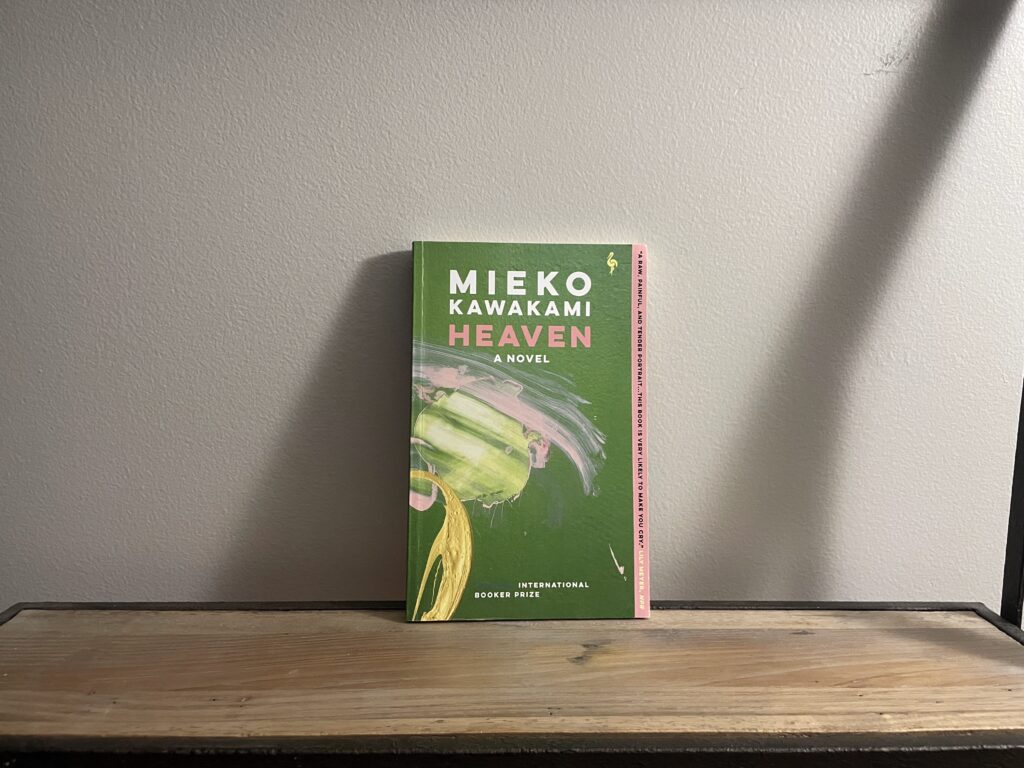
Whew, this one is heavy. Two middle schoolers bullied to depths you can’t imagine. Possibly the longest 175 pages you can read. But tender, moving, gorgeous in its way. I want to read more Kawakami, and I even want to re-read this book sometime. Just gotta work up to it.
Rashoman by Ryūnosuke Akutagawa
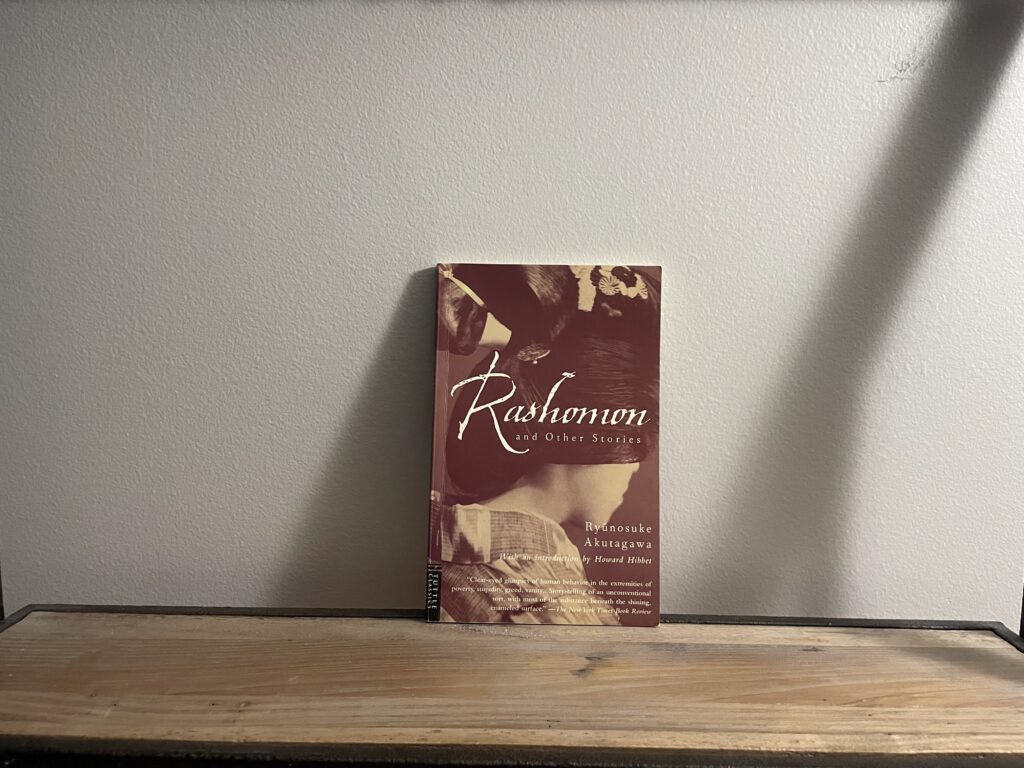
Hey, if you thought the movie was good. The book, a collection of short stories, is quite good. Reminded me fleetingly of Jamaica Kincaid in ways that probably wouldn’t hold up to scrutiny, but hey. That’s a big compliment from me.
Hard Skin by Melissa Llanes Brownlee
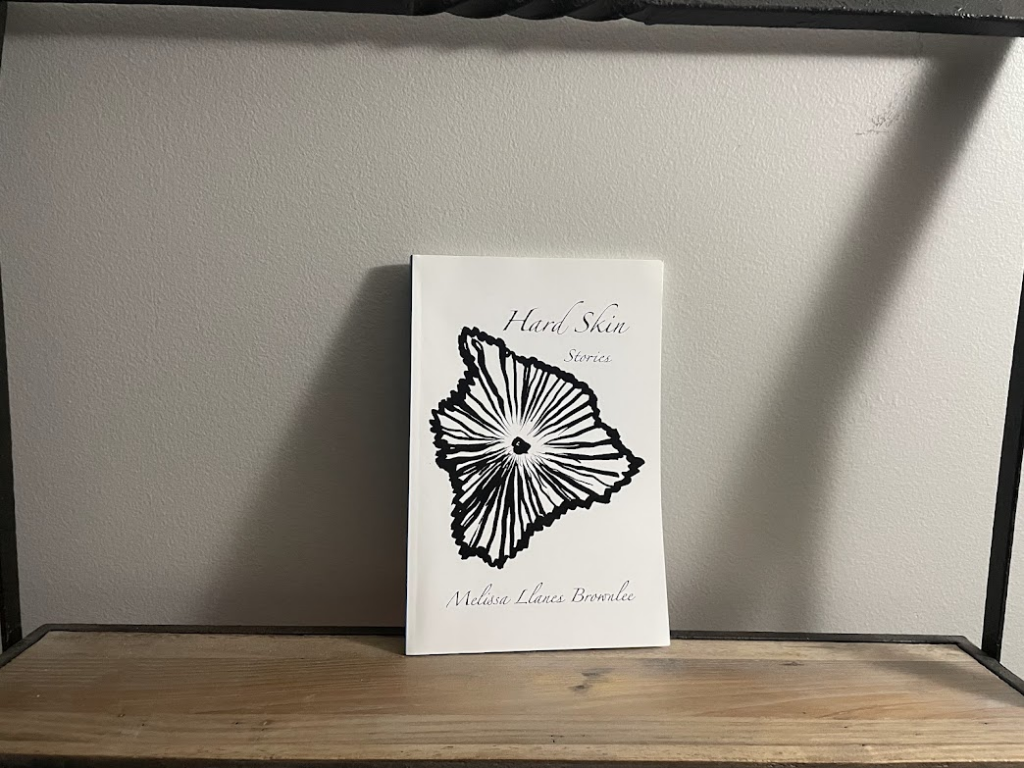
Melissa is one of the absolute best and most prolific flash fiction writers working today, and you should read her books.
Disintegration Made Plain And Easy by Kiik Araki-Kawaguchi
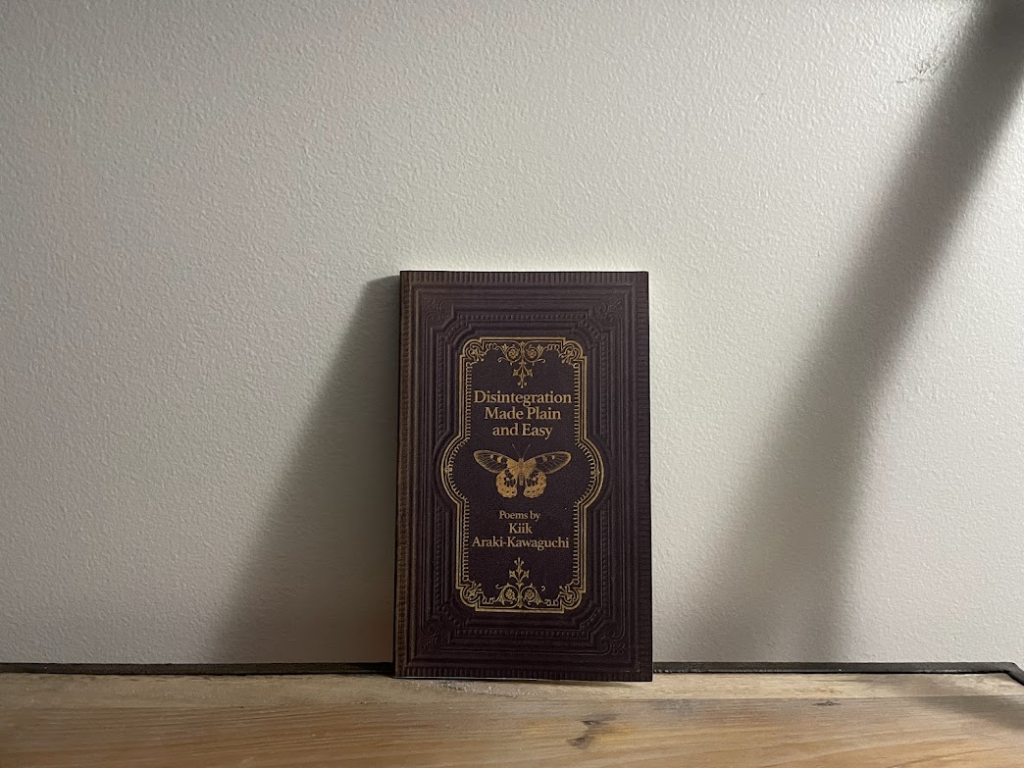
Okay, okay—it’s poetry, poetry collections are going to be short. This one feels cohesive, though, like a novella or story collection. It makes sense to read these poems as a connected narrative, as much as anything in this book “makes sense.”
The Gangster We Are All Looking For by Lê Thi Diem Thúy
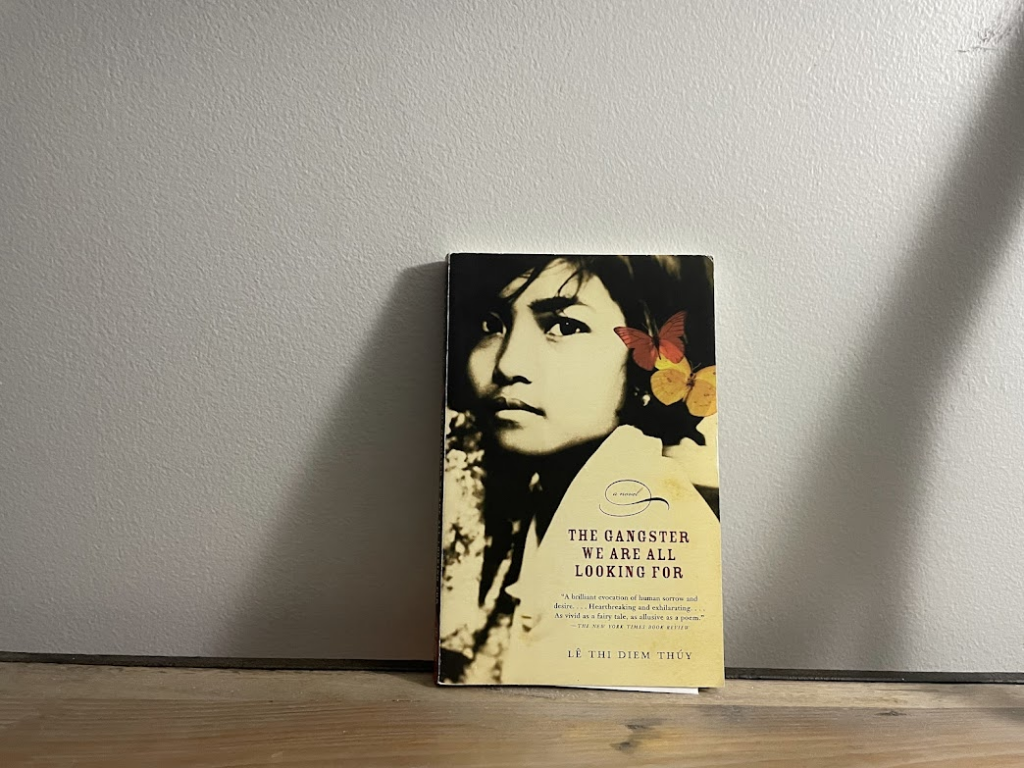
Less gangster stuff and more postwar pain from the view of a child than you might think judging by the title. This book is so lyrical. I happened on it by chance at my old bookstore job, and it’s really good stuff.
A Thousand Times You Lose Your Treasure by Hoa Nguyen
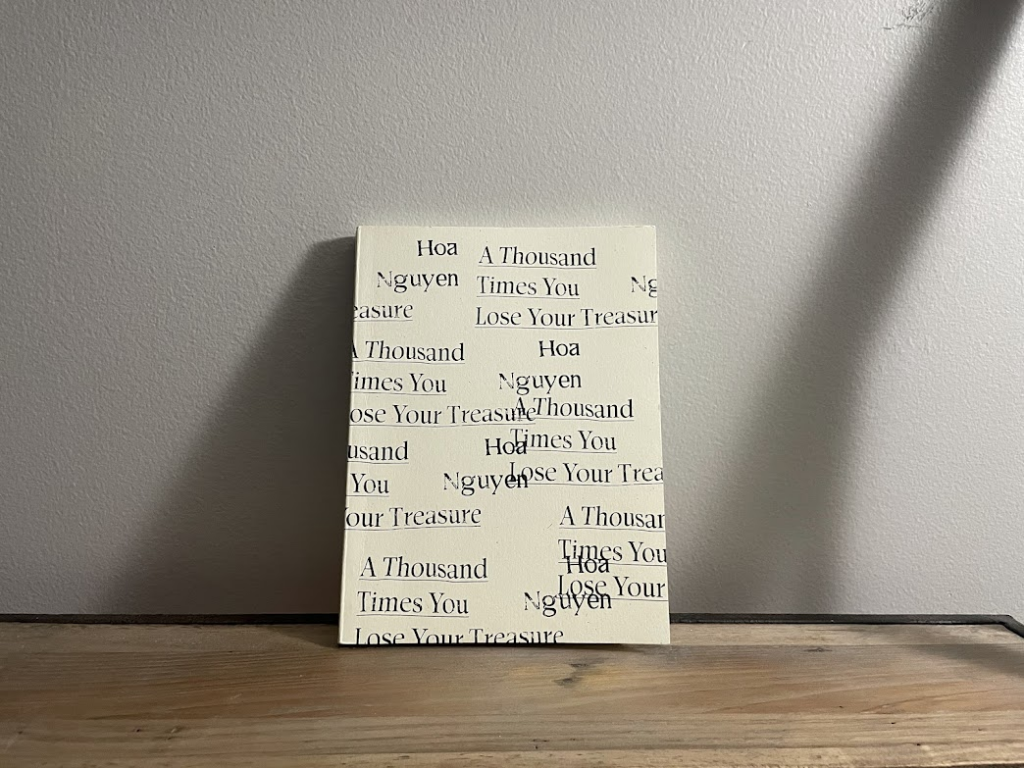
Yes, another poetry collection. This one feels so coherently themed, though. It’s Hoa’s love letter to both her mom and elegy her mom’s pre-war Vietnam. Come for the humanity and courage in the face of suffering, stay for the all-woman motorcycle stunt troupe.
The Orange Tree by Dong Li
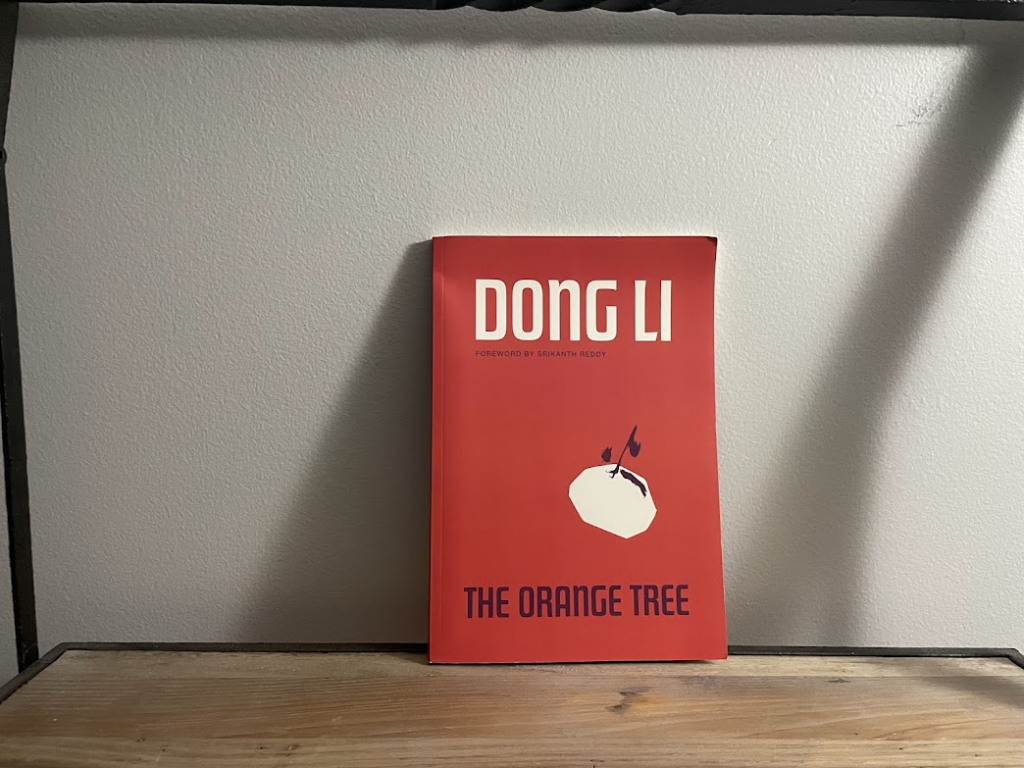
Another book of poetry, but one that feels like a longer narrative, too. There’s a lot of history in this book, but it’s very personal as well. It connects contemporary living and collective memory in ways I have to really think about more. I also don’t read nearly enough Chinese writers.
Haroun And The Sea Of Stories by Salman Rushdie
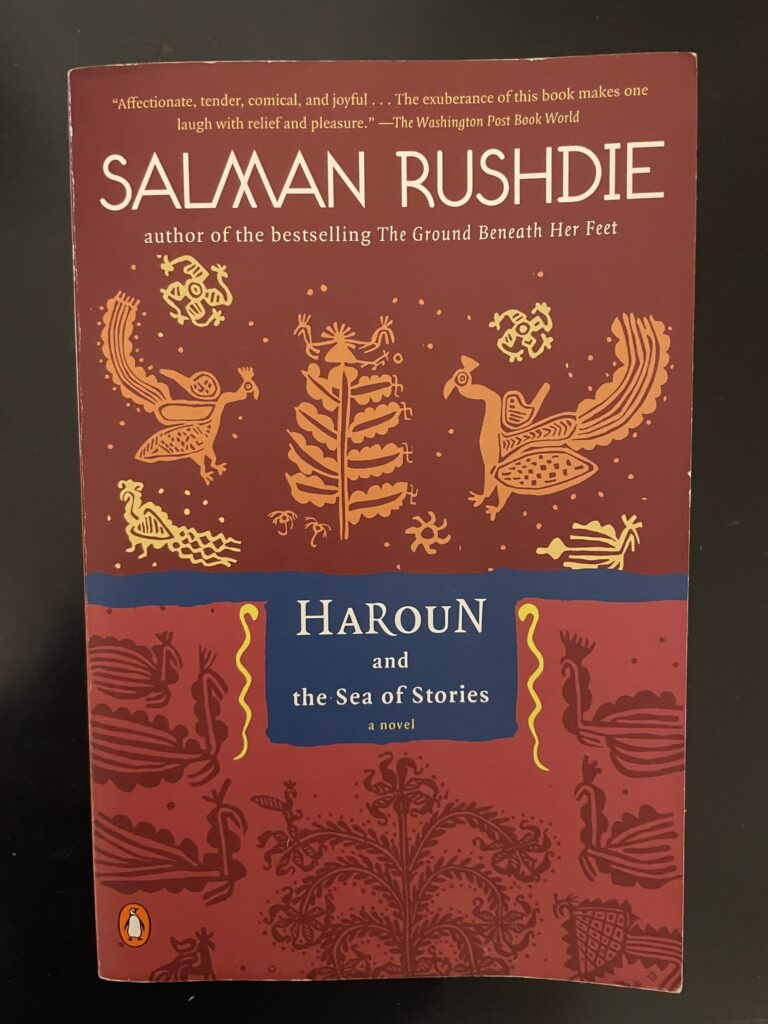
I do read Southeast Asian writers during AAPI month. Rushdie isn’t exactly known for short books, but this heavy-scare-quotes “children’s” book is a delightful fairy tale. Make your 12-year-olds read this, then give them Midnight Children during their junior year of college. That’s when I read Midnight’s Children, both junior and senior year, and it made me think I needed to take another year or two’s worth of courses in college.
That’s it—got to 11 books even though I said I’d stop making these lists 11 books. Still, I definitely need to dig into that “100 under 200” list more. No matter how much you read, the world is still bigger than you can imagine. There is always more to read, more to understand.
Sorry you got an email,
Chris